-
Why Do My Gums Bleed When I Brush or Floss—And Is It a Sign of Something Serious?
Bleeding gums are one of the most common dental complaints—and often one of the most overlooked. If your gums bleed when you brush or floss, it’s not something to ignore. While it may seem minor at first, it could be your body’s way of signaling a deeper dental or systemic issue.
Common Causes of Bleeding Gums
-
Gingivitis (Early Gum Disease):
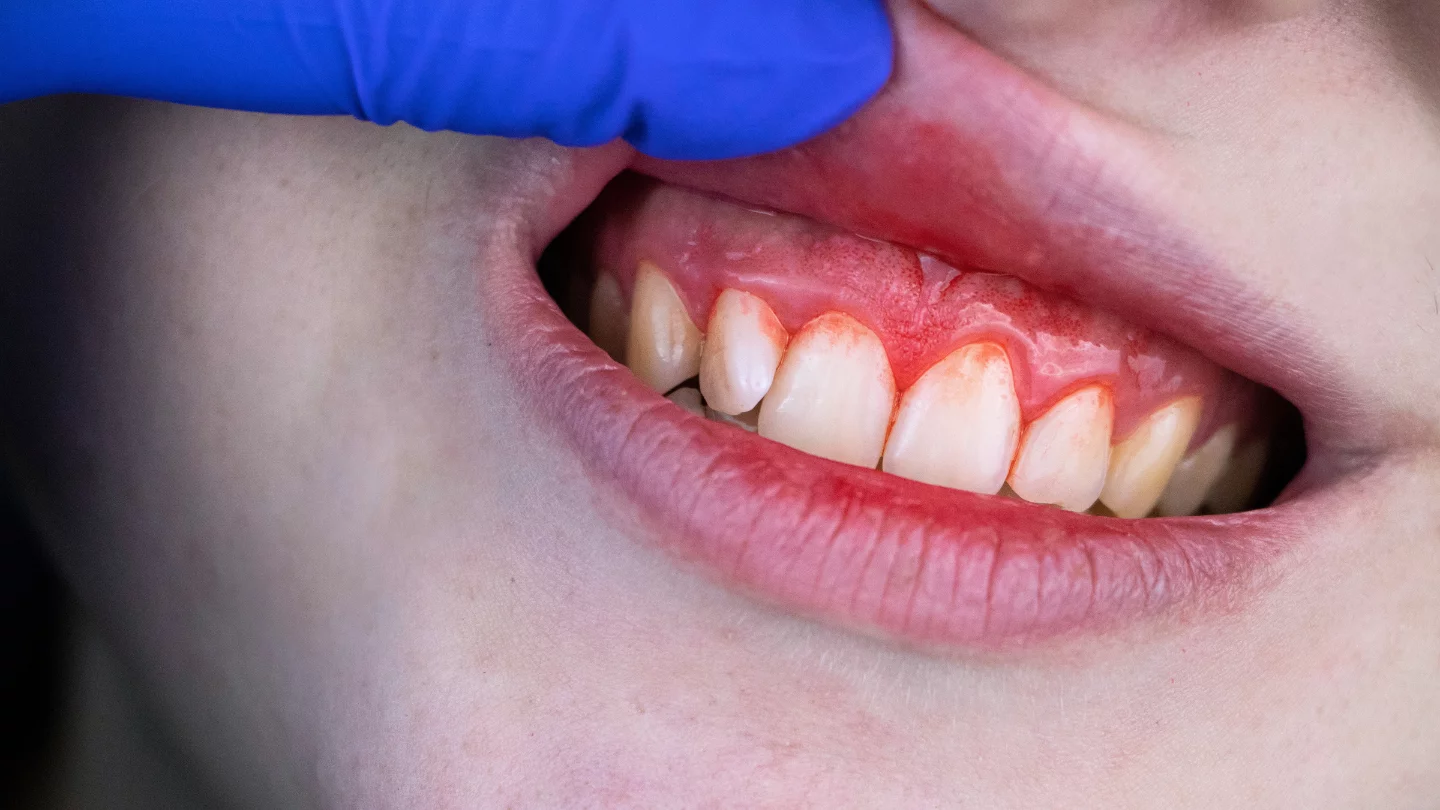
The most frequent cause of bleeding gums is gingivitis—an early stage of gum disease caused by plaque buildup at the gumline. Symptoms include redness, swelling, and bleeding, especially when brushing or flossing. -
Improper Brushing or Flossing Technique:
Brushing too hard or using a toothbrush with hard bristles can irritate your gums. Similarly, aggressive or incorrect flossing can damage gum tissue, especially if you’re just starting a flossing routine. -
Plaque and Tartar Accumulation:
If plaque isn’t removed daily, it can harden into tartar, which irritates the gums and leads to inflammation and bleeding. Tartar can only be removed by a dental professional. -
Vitamin Deficiencies (especially Vitamin C & K):
Poor nutrition, particularly a deficiency in vitamin C (scurvy) or vitamin K, can lead to bleeding gums. This is rare but should be considered if other symptoms are present. -
Hormonal Changes (Pregnancy Gingivitis):
Pregnant women may notice increased gum sensitivity and bleeding due to hormonal changes that heighten the body’s response to plaque. -
Medications:
Blood thinners, certain anti-seizure medications, and some heart drugs can increase the risk of gum bleeding. Always inform your dentist about your medication history. -
Systemic Health Conditions:
Conditions like diabetes, leukemia, or blood disorders can cause gum bleeding. Persistent or unexplained bleeding should be evaluated by a healthcare provider.
Is It Serious? When to See a Dentist
Yes—bleeding gums can be serious. While occasional minor bleeding may result from brushing too hard, consistent or heavy bleeding is often a sign of gum disease, which, if left untreated, can progress to periodontitis—a severe condition that can lead to tooth loss and affect overall health.
You should schedule a dental visit if:
-
Your gums bleed regularly when brushing or flossing.
-
You notice swelling, redness, or bad breath.
-
You have loose teeth or gum recession.
-
You have risk factors such as diabetes or are pregnant.
What You Can Do at Home
-
Brush gently using a soft-bristled toothbrush.
-
Floss daily using a gentle technique.
-
Use antibacterial or fluoride mouthwash as recommended.
-
Improve your diet with vitamin-rich foods.
-
Stay hydrated and avoid tobacco products.
How TMJ Clinic in Gurgaon Can Help
At TMJ Clinic in Gurgaon (410 AA, Block C, Sushant Lok-Ph 1), our experienced dental team offers:
-
Professional cleanings to remove plaque and tartar
-
Comprehensive gum health assessments
-
Personalized oral hygiene guidance
-
Treatment plans for gingivitis and periodontitis
📍 Visit us: Sushant Lok Phase 1, Gurugram, Haryana – 122009
📞 Call: +91 9910054385
📧 Email: torkdc@gmail.com -
Why do my gums bleed when I brush or floss, and is it a sign of something serious?
0 Comments